

Hey there, folks! As a supplier of Electric Servo AC Motors, I often get asked about how to tune the PID parameters of these motors. It's a crucial part of getting the most out of your Electric Servo AC Motor, and today, I'm gonna share everything I know about it.
Understanding PID Tuning Basics
First things first, let's talk about what PID stands for - it's Proportional Integral Derivative. These three components work together to regulate the motor's performance. The Proportional part (P) responds to the current error between the setpoint and the actual value of the motor's position, speed, or torque. The Integral part (I) accumulates the error over time and helps to eliminate any steady - state error. The Derivative part (D) predicts future errors based on the rate of change of the error and provides a corrective action to dampen oscillations.
PID tuning is all about finding the right balance between these three parameters. If the P gain is too high, the motor may overshoot the setpoint and cause oscillations. If it's too low, the motor may respond slowly. The I gain is great for eliminating steady - state errors, but if it's set too high, it can lead to instability and even system collapse. The D gain helps to reduce oscillations, but setting it too high can make the system overly sensitive to noise.
Step - by - Step PID Tuning Process for Electric Servo AC Motors
1. Initial Setup
Before you start tuning, make sure your AC Permanent Servo Motor is properly installed and connected. Check all the wiring, ensure the power supply is stable, and that the motor is mechanically sound. Also, set the initial values of the PID parameters to conservative values. Usually, starting with a low P gain, a very low I gain (almost zero), and a moderate D gain is a good idea.
2. Tuning the Proportional Gain (P)
Start by increasing the P gain gradually while monitoring the motor's response. You can do this by setting a step input to the motor, like changing the desired position or speed. As you increase the P gain, the motor will respond more quickly to the input. Keep an eye on the overshoot - the amount by which the motor goes beyond the setpoint. If you start to see excessive overshoot or oscillations, you've gone too far. Back off the P gain a bit until you get a reasonable response with minimal overshoot.
3. Tuning the Integral Gain (I)
Once you've got a good P gain, it's time to work on the I gain. Increase the I gain slowly. The I gain will help to eliminate any steady - state error that remains after setting the P gain. However, be very careful here. As you increase the I gain, the system can become unstable. You may start to notice slow - growing oscillations or instability in the motor's behavior. If this happens, reduce the I gain until the system stabilizes.
4. Tuning the Derivative Gain (D)
The D gain is used to improve the damping of the system and reduce oscillations. Start with a small D gain and increase it gradually. You'll see that as you increase the D gain, the oscillations in the motor's response will decrease. But if you set the D gain too high, the motor may become overly sensitive to noise in the system, which can cause erratic behavior. So, find a balance where the oscillations are minimized without introducing too much sensitivity to noise.
Using Advanced Tuning Techniques
Sometimes, the basic step - by - step process may not be enough. For more complex systems or when you need high - precision performance, you can use some advanced tuning techniques.
Ziegler - Nichols Method
The Ziegler - Nichols method is a popular technique for PID tuning. It involves setting the I and D gains to zero and then increasing the P gain until the system starts to oscillate. Measure the period of these oscillations and the critical gain at which the oscillations start. Then, use some predefined formulas to calculate the optimal PID parameters based on these values. It's a bit more technical, but it can give you good initial parameters to work with.
Auto - Tuning Function
Many modern AC Servo Motor with Drive come with an auto - tuning function. This function uses algorithms to automatically adjust the PID parameters based on the motor's response to a test input. It can save you a lot of time and effort, especially if you're new to PID tuning. However, it may not always give you the absolute best parameters for your specific application, so you may still need to do some manual fine - tuning.
Tips for Successful PID Tuning
System Identification
Before you start tuning, it's a good idea to understand the characteristics of your system. Know the inertia of the load, the friction in the mechanical system, and any other factors that can affect the motor's performance. This knowledge will help you make more informed decisions when tuning the PID parameters.
Monitoring and Logging
Use a monitoring system to keep track of the motor's performance during the tuning process. Logging the data can help you analyze the motor's response over time and make better adjustments to the PID parameters. You can use oscilloscopes, data loggers, or the built - in monitoring functions of the motor drive.
Iterative Process
PID tuning is an iterative process. Don't expect to get the perfect parameters on the first try. Make small adjustments, test the motor's response, and then make further adjustments if needed. It may take some time, but it's worth it to get the best performance out of your Servo Motor 2kw.
Conclusion
Tuning the PID parameters of an Electric Servo AC Motor can be a challenging but rewarding task. By understanding the basics of PID control, following a systematic tuning process, and using some advanced techniques and tips, you can achieve optimal performance for your motor.
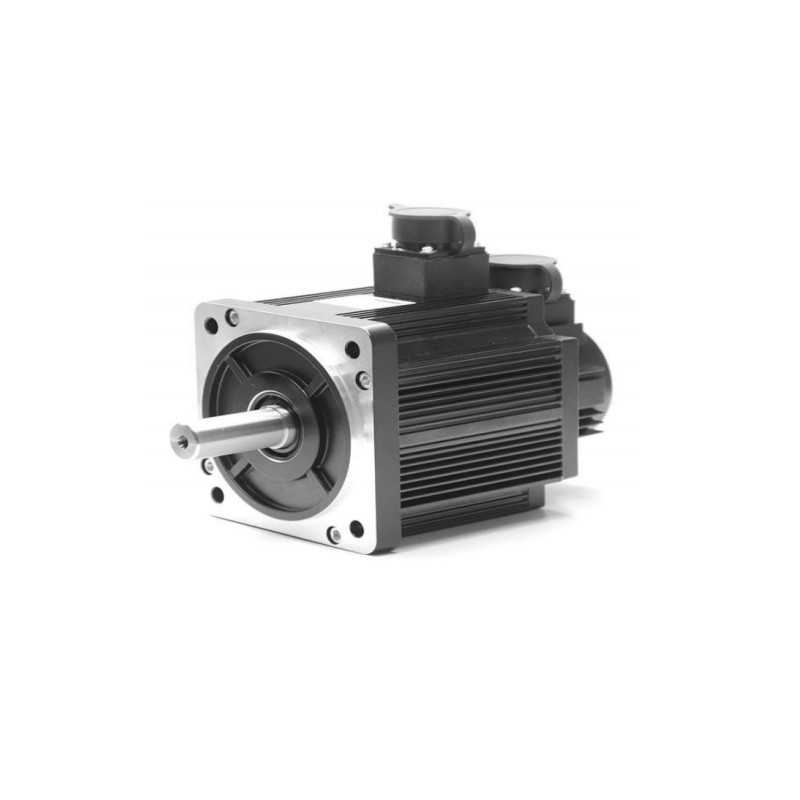
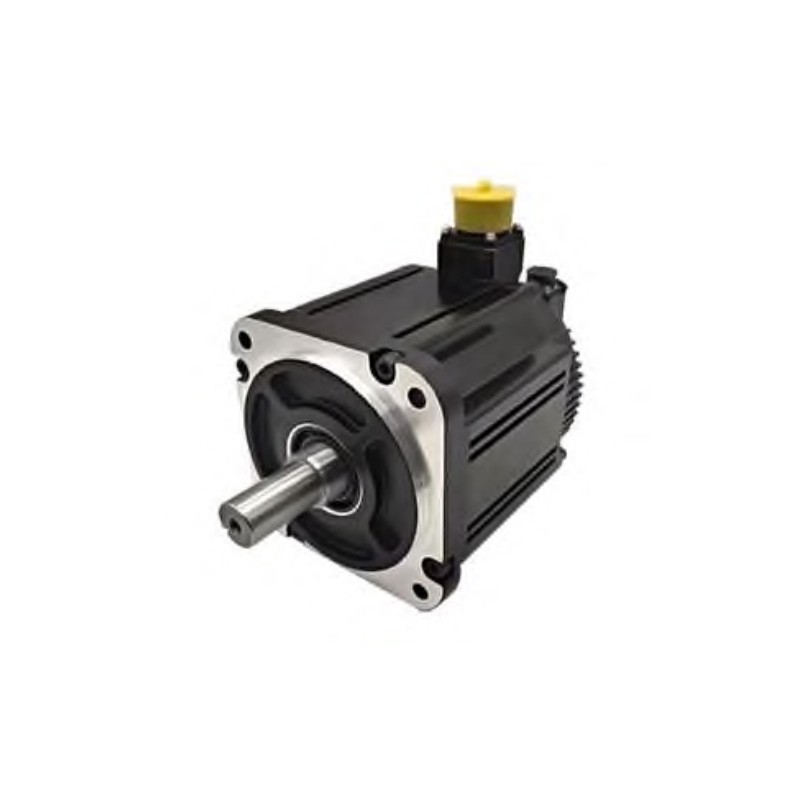
If you're in the market for a high - quality Electric Servo AC Motor or need more guidance on PID tuning, don't hesitate to reach out. We're here to help you make the most of your motor system and achieve the best results. Contact us for more information and to start a procurement discussion.
References
- [1] Dorf, R. C., & Bishop, R. H. (2011). Modern Control Systems. Pearson.
- [2] Franklin, G. F., Powell, J. D., & Emami - Naeini, A. (2009). Feedback Control of Dynamic Systems. Pearson.
- [3] Ogata, K. (2009). Modern Control Engineering. Prentice Hall.