

Calibrating a high-speed AC servo motor is a crucial process that ensures optimal performance and reliability. As a high-speed AC servo motor supplier, I've seen firsthand how proper calibration can make a huge difference in the functionality of these motors. In this blog, I'll walk you through the steps to calibrate a high-speed AC servo motor, so you can get the most out of your investment.
Why Calibration Matters
Before we dive into the calibration process, let's talk about why it's so important. A well-calibrated high-speed AC servo motor operates more efficiently, has better torque control, and experiences less wear and tear. This means fewer breakdowns, longer lifespan, and ultimately, cost savings for you. Whether you're using the motor in a manufacturing setting, robotics, or any other application, calibration is key to achieving consistent and accurate results.
Tools You'll Need
To calibrate a high-speed AC servo motor, you'll need a few essential tools:
- Oscilloscope: This tool helps you visualize the electrical signals in the motor, allowing you to analyze its performance and make adjustments as needed.
- Multimeter: A multimeter is used to measure voltage, current, and resistance in the motor's electrical circuits.
- Tachometer: This device measures the rotational speed of the motor, which is crucial for ensuring it's operating at the correct RPM.
- Encoder Calibration Tool: If your motor uses an encoder, you'll need a calibration tool to set it up correctly and ensure accurate position feedback.
Step 1: Initial Inspection
The first step in calibrating a high-speed AC servo motor is to conduct a thorough inspection. Check for any visible signs of damage, such as loose wires, worn-out components, or overheating. Make sure the motor is properly mounted and aligned, and that all connections are secure. If you notice any issues during the inspection, address them before proceeding with the calibration.
Step 2: Check the Power Supply
Next, you'll want to check the power supply to the motor. Use a multimeter to measure the voltage and ensure it's within the motor's specified range. A stable and consistent power supply is essential for proper motor operation. If the voltage is too high or too low, it can cause the motor to malfunction or even damage it.
Step 3: Set the Motor Parameters
Most high-speed AC servo motors come with a set of parameters that need to be configured for optimal performance. These parameters include things like acceleration, deceleration, maximum speed, and torque limits. Refer to the motor's user manual to find the recommended settings for your specific application. Use the motor's control panel or a programming device to input these settings.
Step 4: Calibrate the Encoder
If your motor uses an encoder, it's important to calibrate it correctly. The encoder provides feedback on the motor's position and speed, allowing the control system to adjust its operation accordingly. Use an encoder calibration tool to set the encoder's zero position and ensure accurate position feedback. Follow the instructions in the encoder's user manual for the specific calibration procedure.
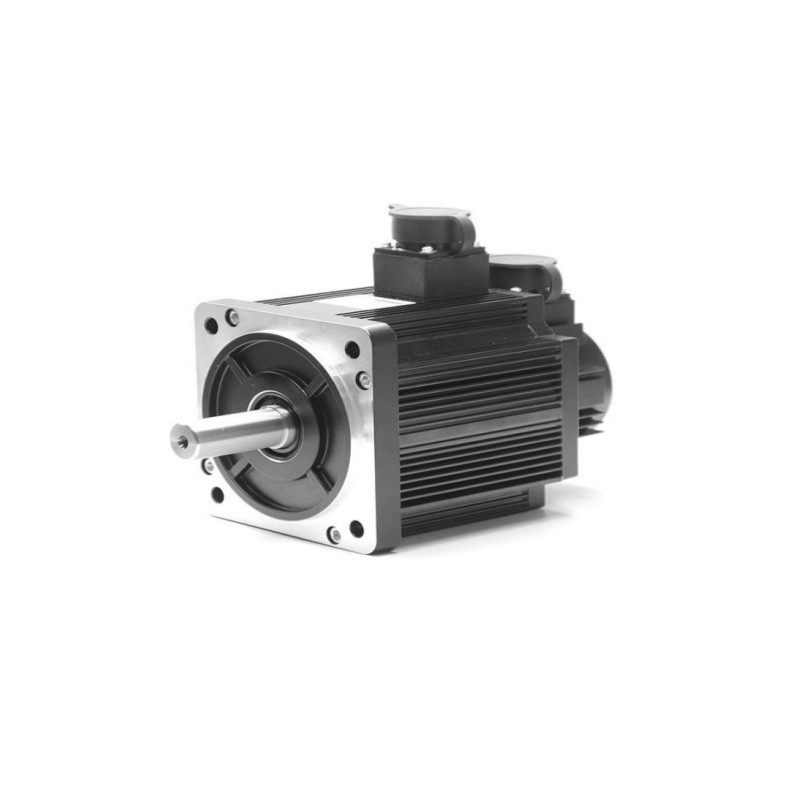

Step 5: Check the Motor's Speed and Torque
Once the encoder is calibrated, it's time to check the motor's speed and torque. Use a tachometer to measure the motor's rotational speed and compare it to the set speed in the motor's parameters. If the speed is off, you may need to adjust the acceleration or deceleration settings. Similarly, use a torque sensor or a dynamometer to measure the motor's torque output. Make sure it's within the specified range for your application.
Step 6: Test the Motor's Response
After checking the speed and torque, it's important to test the motor's response to different inputs. Use the motor's control system to send commands to the motor and observe its behavior. Make sure it responds quickly and accurately to changes in speed, direction, and position. If you notice any delays or inconsistencies in the motor's response, you may need to fine-tune the control parameters.
Step 7: Fine-Tune the Calibration
Based on the results of your tests, you may need to fine-tune the calibration. Make small adjustments to the motor's parameters and repeat the tests until you achieve the desired performance. Remember, calibration is an iterative process, and it may take a few tries to get it just right.
Step 8: Document the Calibration
Once you're satisfied with the calibration, it's important to document the process. Keep a record of the settings you used, the test results, and any adjustments you made. This documentation will be useful for future reference and troubleshooting.
Different Types of High-Speed AC Servo Motors
There are several types of high-speed AC servo motors available on the market, each with its own unique features and applications. Here are a few common types:
- 3 Phase AC Servo Motor: These motors are widely used in industrial applications due to their high power density and efficiency. They are capable of delivering high torque at high speeds, making them ideal for applications that require rapid acceleration and deceleration.
- Permanent Magnet AC Servo Motor: These motors use permanent magnets to generate the magnetic field, which results in higher efficiency and better performance compared to other types of motors. They are commonly used in robotics, CNC machines, and other precision applications.
- AC Permanent Servo Motor: Similar to permanent magnet AC servo motors, these motors offer high efficiency and precise control. They are often used in applications where space is limited and high performance is required.
Conclusion
Calibrating a high-speed AC servo motor is a complex but essential process that requires careful attention to detail. By following the steps outlined in this blog, you can ensure that your motor is operating at its best and delivering the performance you need. If you have any questions or need further assistance with motor calibration or selection, don't hesitate to reach out. As a high-speed AC servo motor supplier, we're here to help you find the right solution for your application and ensure your motors are properly calibrated and maintained. Contact us today to start the conversation and explore how our motors can meet your needs.
References
- Servo Motor Handbook, various editions
- Manufacturer's manuals for high-speed AC servo motors